
Here are all our answers to questions about wind in Tenerife, including the most popular: How windy is it?
We share with you the best months, the most sheltered areas and our tips for enjoying your vacation whatever the weather!
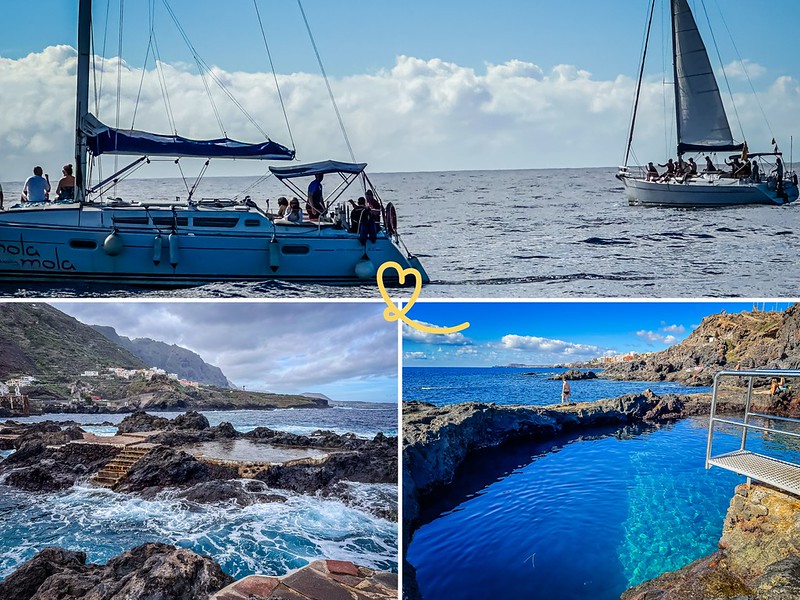
This opinion is completely independent, based on our experiences. We visited the region anonymously, making our own choices and paying our bills in full.
Content
How windy is Tenerife? Quick answers
How windy is Tenerife?
Tenerife is considerably less windy than its neighbors Fuerteventura and Lanzarote. The main reason for this is the island’s geography: the Teide, Spain’s highest peak at 3718m, and the Cordillera Dorsa that crosses the island form a natural bulwark against the trade winds.
During our stays, we have found that the wind is most noticeable on the north coast and in exposed areas at higher altitudes. The south of the island, on the other hand, is often calm and sunny.

That said, this is an Atlantic island, and the wind can come at any time. Some days are perfectly calm, others more agitated. It all depends on the season, your location and current weather conditions.
And of course there could be a storm passing through, like everywhere else, which can’t be predicted very far in advance.
How strong is the wind in Tenerife?
The prevailing wind on Tenerife is the trade wind, which blows from the northeast. Its intensity varies according to several factors:
- the area of the island where you are located (north, south, altitude)
- time of year
- time of day (winds often pick up in the afternoon)
- the terrain around you
On average, speeds fluctuate between 15 and 30km/h on north-facing coasts. In the south, they frequently drop below 15km/h. We often enjoyed breeze-free days on the Los Cristianos or Costa Adeje coasts.

Why are some parts of Tenerife windy?
The trade winds are almost permanent in the Canary archipelago. In Tenerife, the Teide massif acts like a shield, blocking most of these air currents and creating a protected shaded area in the south of the island. This is known as the foehn effect.
The north, directly exposed to the trade winds, receives more wind (and more humidity). This is also why the vegetation is so lush. On the other hand, at higher altitudes, especially on the roads leading to Teide or the Anaga Rural Park, gusts can be more sustained. We recommend that you bring an extra layer if you plan to hike at height.

OUR TIPS TO RENT A CAR IN Tenerife
- Compare prices on our preferred platform: DiscoverCars – one of the best rated sites.
- If you’re planning to explore the mountains, don ‘t take the smallest cars. A more powerful engine will be more comfortable.
- But don’t take too big a car either, as some roads are narrow.
- There’s a lot of demand and it’s an island, so book early.

The windiest seasons in Tenerife – when to travel to avoid the wind
What are the windiest months in Tenerife?
The windiest months are generally July and August, when the trade winds strengthen. This is the peak of summer, and the wind provides a welcome cooling effect as temperatures rise. We find that this breeze makes summer days much more pleasant than still heat.
Spring, between March and May, also sees windy spells, but on a more occasional basis. These gusts are rarely a hindrance to normal tourist activities.
What are the least windy months in Tenerife?
September and October are generally the quietest months. The trade winds weaken, the ocean temperature reaches its annual maximum (around 23-24°C), and tourist numbers drop compared to summer. It’s a period we particularly appreciate for its gentleness and tranquility.
However, the weather remains unpredictable. Some days in September can be windy, while a week in July can be perfectly calm. These are general trends, not guarantees.

Is Tenerife windy in winter?
Winter in Tenerife remains mild, and wind is not a constant. It can blow some days, especially on the north coast, but calm periods are frequent. In the south of the island, a typical winter day looks like a beautiful spring day in continental Europe: clear skies, temperatures between 20 and 24°C, light breeze.
In the evening or early morning, a sweater or light jacket is usually sufficient. We’ve spent several winters on the island and have never had the impression of lacking warmth in the south.
How cold is the wind in Tenerife?
By the sea, the wind is not cold, even in winter. It refreshes without icing. At higher altitudes, it’s a different story: on the summit of Teide or in the laurel forests of Anaga, the wind combined with the humidity can make you feel very cool. Remember to bring warm clothing if you climb above 2000m.

WHERE TO STAY IN Tenerife
Our independent picks for the accommodation of your dreams:
- Where to stay in Tenerife
- Our favorite: Hotel Corales Beach
Select by hotel type:
- 5-star hotels
- Best boutique-hotels
- Best hotels for families
- Best hotels in Seaside
- Best adults-only hotels
- Best all-inclusive hotels
- Top 4-Star Hotels
Select by city:

Where to go? Wind-sheltered areas and beaches in Tenerife
Tenerife’s least windy areas
The south and southwest of the island are the areas most protected from the wind. Thanks to Teide’s natural barrier, the trade winds lose much of their strength before reaching this coast. The seaside resorts of Costa Adeje, Los Cristianos and Playa de las Américas benefit from this protection. We regularly enjoyed calm days here, even when the north of the island was windswept.
See our picks for the best hotels in Costa Adeje, Los Cristianos and Playa de las Americas.
The east coast, around the town of Candelaria and El Médano (outside the windsurfing zone), also often offers milder conditions than the north. El Médano, on the other hand, is renowned for its wind, making it a popular spot for kitesurfers and windsurfers.

Is Tenerife too windy for sunbathing?
In the south of the island, rarely. Most of the beaches in this area are sheltered enough to enjoy the sun without difficulty. In the north or on exposed beaches, some days make sunbathing less comfortable, but this doesn’t usually last.
Which beaches are protected from the wind in Tenerife?
Several beaches in the south of the island offer good protection from the wind:
- Playa del Duque in Costa Adeje, lined with cliffs that cut through the wind
- Playa de las Vistas in Los Cristianos, a large, well-sheltered urban beach
- Playa de Troya in Playa de las Américas, protected by the surrounding buildings
- Playa de la Arena in Santiago del Teide, a black sand beach nestled in a cove
In the north, sheltered options are rarer. Playa de las Teresitas, near Santa Cruz de Tenerife, enjoys a certain degree of protection thanks to the Anaga massif which overlooks it, but it is not sheltered on days when the trade winds are strong.
See our list of Tenerife’s most beautiful beaches.

Find out where to go each day, depending on the wind
Our advice is simple: check the forecast in the morning and adjust your program. If the wind blows from the northeast, choose beaches in the south and southwest. If the day promises to be calm, it’s time to explore the north and its spectacular scenery.
The windy. app application allows you to monitor wind strength and direction across the island in real time. Here you can consult hour-by-hour forecasts and choose your destination for the day with full knowledge of the facts.
HAVE FUN IN TENERIFE: activities

Tips for managing the wind in Tenerife
Protect your belongings on the beach
On windy days, sand can fly and towels can blow away. We recommend you bring beach clothes pegs to secure your towel to the deckchair. A waterproof bag or zipped pouch protects your phone and documents from the sand.
Sunscreen cream essential
The wind makes it feel deceptively cool. The Canary sun remains powerful, even when the breeze cools you down. Apply a high SPF sunscreen and reapply regularly. We insist on this point: the most severe sunburns often occur on windy days, when you’re not aware of the intensity of the radiation.
Bring altitude-appropriate clothing
If you’re planning to visit Teide National Park or hike in Anaga Rural Park, take along a windproof jacket. At altitude, temperatures drop rapidly and the wind amplifies the sensation of cold. At the summit of Mount Teide, it’s not uncommon to find temperatures close to 0°C, even in summer.

Taking advantage of the wind: water sports
Wind is not just a constraint, it’s also an opportunity. El Médano, in the south-east of the island, is one of Europe’s most famous kitesurfing and windsurfing spots. If you’re a keen snowboarder, conditions are often ideal between April and August. Schools offer courses for all levels.
In addition, windy days are perfect for watching the waves on the north and west coasts. The show is breathtaking, especially on the Garachico and Los Gigantes sides.

What is calima?
Calima is a meteorological phenomenon that affects all the Canary Islands, including Tenerife. It’s a hot, sand- and dust-laden wind that blows in from the Sahara. When a calima occurs, the sky takes on a yellow-orange hue and visibility diminishes.
This phenomenon generally lasts from two to five days. It occurs most often in winter and spring, but can occur at any time of year. During a calima, temperatures rise by several degrees and the air becomes dry.
In case of intense calima, it’s best to limit outdoor activities, especially for people with sensitive respiratory tracts. Stay hydrated and opt for air-conditioned interiors or visits to museums and villages.

Other frequently asked questions
Is Tenerife windier than Gran Canaria?
The two islands have similar profiles: a north that is more exposed to the trade winds and a south that is more protected. On the whole, Tenerife enjoys slightly greater protection thanks to the imposing Teide massif. However, both destinations are much less windy than Fuerteventura or Lanzarote.
Is Costa Adeje windy?
Costa Adeje is one of Tenerife’s most sheltered areas. The wind is generally light here, thanks to the protection afforded by Mount Teide. Some days can be a little windy, but this is the exception.
Is Los Cristianos windy?
Like Costa Adeje, Los Cristianos benefits from its position in the south of the island and is rarely exposed to strong winds. That’s one of the reasons why this seaside resort is so popular with travelers in search of guaranteed sunshine.
Is El Medano windy?
Yes, El Médano is the windiest area in southern Tenerife. This is precisely what makes it a paradise for kitesurfers and windsurfers. If you’re looking for peace and quiet, we recommend the beaches further west, such as Los Cristianos or Costa Adeje.
Is Puerto de la Cruz windy?
Puerto de la Cruz is located on the north coast, directly exposed to the trade winds. The wind blows more regularly than in the south. That said, the city offers many activities that don’t depend on the weather, such as a visit to the Botanical Gardens. We love the atmosphere of this town, where the wind brings a pleasant coolness on hot days.
PLAN YOUR TRIP TO tenerife
- Best of
What to do in Tenerife
Most beautiful towns and villages
Most beautiful beaches
Best natural pools
The most beautiful landscapes
Most beautiful roads
Amusement parks
Best excursions in Tenerife

- Practical advice
25 tips for a successful trip to Tenerife
How to get around
How to rent a car in Tenerife
Driving tips
Best excursions (coming soon)
Where to stay in Tenerife
Itineraries: 3 days – 4 days – 5 days – 6 days – 1 week – 10 days

- The must-dos
Dolphin watching in Tenerife
Teide National Park
Anaga Rural Park (coming soon)
La Orotava
Garachico
Village of Masca
Pyramids of Güimar