
La Gomera is a small island in the Canary Islands known for its laurel forest, its colorful villages clinging to the cliffs, and its whistled language—unique in the world—called Silbo Gomero.
Far from the hustle and bustle of Tenerife, it attracts travelers seeking tranquility, hiking, and largely untouched volcanic landscapes.
In this article, we’ll share with you the must-see spots on La Gomera and the best activities you won’t want to miss, along with our tips for planning a trip from Tenerife.
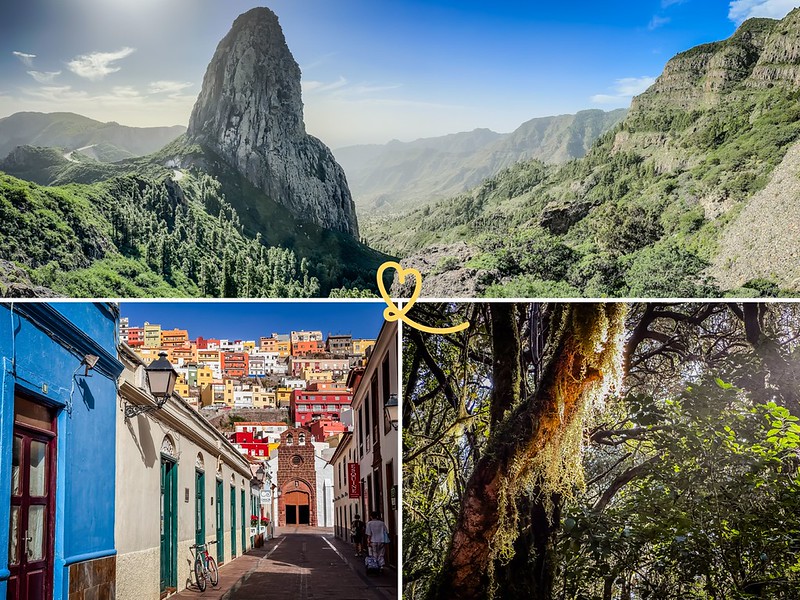
This opinion is completely independent, based on our experiences. We visited the region anonymously, making our own choices and paying our bills in full.
Things to Do in La Gomera: Must-See Places
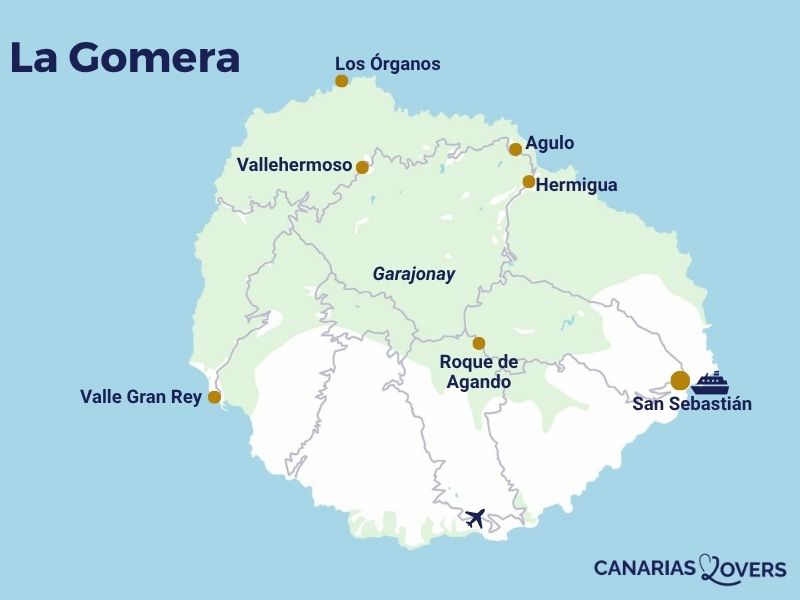
Must-see places: list and map
La Gomera is easy to explore in just a few days thanks to its small size—barely 30 kilometers in diameter. Here are our must-see spots, the ones that best represent the island:
How to Get to La Gomera
- You can travel to La Gomera by plane
- Take the ferry from Tenerife – Book your ferry crossing, since there are more flight options to Tenerife
- Take day trips from Tenerife – See the organized tours in La Gomera.
Where to Stay in La Gomera
San Sebastián de La Gomera, where the ferry docks, and Valle Gran Rey, which is more beach-oriented, remain the two most convenient bases for exploring the island. See available accommodations.

It’s time to book!
Compare everything: companies, prices, schedules and availability.
1. Drive around the island

Why it’s a must
The road that crosses La Gomera is an experience in and of itself. It climbs from the arid coast toward the forested mountainous interior, then descends again toward terraced farmlands. We enjoyed the variety of landscapes we passed through in just a few dozen minutes, ranging from volcanic to tropical.
There are many curves, and the roads are narrow in some places, so it’s best to allow plenty of time rather than try to cover long distances quickly. We recommend that you stop regularly at the lookout points along the route.

Practical advice
- Plan on a full day for your first tour of the island, with several photo stops
- Mountain roads are winding: slow down and honk your horn when approaching blind curves
- Fog can reduce visibility at higher elevations, particularly around Garajonay National Park
- Fill up before you leave: Gas stations are few and far between outside of San Sebastián, Valle Gran Rey, and Playa de Santiago
OUR TIPS TO RENT A CAR IN Tenerife
- Compare prices on our preferred platform: DiscoverCars – one of the best rated sites.
- If you’re planning to explore the mountains, don ‘t take the smallest cars. A more powerful engine will be more comfortable.
- But don’t take too big a car either, as some roads are narrow.
- There’s a lot of demand and it’s an island, so book early.

2. Los Roques Lookout and Roque de Agando

Why it’s a must
This viewpoint overlooks a group of volcanic peaks, the best known of which, the Roque de Agando, rises to over 1,250 meters. These rock formations are ancient volcanic vents exposed by erosion, which has worn away the softer rock surrounding them.
We stopped there at the end of the day to catch the low-angle light on the rocks. It is also one of the few places where you can see several of the island’s valleys at the same time.

Practical advice
- Direct access from the main road between San Sebastián and Valle Gran Rey, near Garajonay National Park
- Small, free parking lot on site
- Be sure to bring a windbreaker: the elevation and exposure mean it’s often windy there
3. Hiking in Garajonay National Park, through the forest

Why it’s a must
Garajonay National Park protects one of the last remaining large tracts of laurel forest, a type of forest that once covered the entire Mediterranean region before the last ice age. Listed as a UNESCO World Heritage Site, it occupies the mountainous center of the island.
We found this forest quite different from the typical Canarian landscapes (even though there are similar ones in Tenerife and El Hierro): it remains humid all year round, nourished by the fog that the trade winds deposit on the mountain peaks. The tree trunks there are covered with moss and lichen, and a light mist often drifts across the trails, giving the whole area a unique atmosphere that we haven’t found anywhere else in the Canary Islands.

Practical advice
- The Juego de Bolas Interpretation Center in Agulo offers an introduction to the park’s ecosystem before you set out on a hike
- Several marked trails start from the center of the park; they vary in difficulty and take anywhere from 1 hour to more than 4 hours to complete, and can be combined for a full day of hiking.
- Be sure to bring a waterproof jacket even in the summer: humidity and fog are common at higher elevations
- The trails may be slippery after it rains: we recommend wearing hiking shoes
4. The Colorful Village of Agulo

Why it’s a must
Agulo stretches across a plateau at the foot of a cliff, facing Mount Teide, which can be seen on the neighboring island of Tenerife on a clear day. Its houses, with their colorful facades and checkerboard layout, stand in stark contrast to the rest of the island, which is more rural.
We enjoyed strolling around there without a specific route, between the church and the small central square. The village remains quiet outside the main square, making it a peaceful stopover on the road between San Sebastián and the northern part of the island.

Practical advice
- Allow 30 to 45 minutes for a walking tour of the village center
- Parking is available near the main square
- The nearby Abrante lookout point offers a bird’s-eye view of the village from the top of the cliff (see below)
5. Valle Gran Rey

Why it’s a must
Valle Gran Rey is located at the western tip of the island; it is a steep-sided valley that slopes down toward the ocean and is lined with palm trees and terraced fields. Today, it is the main tourist hub on La Gomera, with several hamlets scattered along the coast.
We were particularly struck by the view from the lookout points at the top of the valley, from which you can see the entire basin all the way to the sea. The sunset there regularly draws visitors who come to enjoy the view of the ocean.

Practical advice
- The hamlets of La Playa, La Calera, and Vueltas are home to most of the shops and lodging options
- The César Manrique Lookout, at the top of the valley, offers one of the most panoramic views of the entire Valle Gran Rey
- About a 1-hour drive from San Sebastián de La Gomera
6. Whale and Dolphin Watching

Why it’s a must
The channel separating La Gomera from Tenerife is one of the areas in Europe where cetaceans are most consistently present throughout the year, thanks to the depth of its seabed and the stability of its waters. Several species of dolphins and whales live there or pass through the area depending on the season.
Tours depart from both La Gomera and Tenerife, but the tours leaving from La Gomera seemed less crowded to us.

Practical advice
- Tours available from Valle Gran Rey, Playa de Santiago, and San Sebastián de La Gomera
- Average duration of excursions: 2 to 3 hours
- Book in advance during peak season, as space is limited on small boats
- See the options for boat trips.
7. San Sebastián de La Gomera and the Casa de Colón

Why it’s a must
San Sebastián de La Gomera is the island’s main port and capital—the very place where Christopher Columbus stopped in 1492 before crossing the Atlantic. The Casa de Colón, a 15th-century residence, chronicles this period and the history of the ties between the Canary Islands and the Americas.
We enjoyed strolling through the streets of the historic center, which are livelier than those on the rest of the island, yet still retain their modest scale. The city also features several well-preserved colonial buildings surrounding the main square.

Practical advice
- Admission to the Casa de Colón is free, Monday through Friday (check opening hours on site)
- The port welcomes ferries arriving from Los Cristianos, on Tenerife
- There are several free and paid parking lots near the harbor and downtown
8. Church of the Assumption

Why it’s a must
According to local tradition, this church in downtown San Sebastián is where Christopher Columbus prayed before setting out on his voyage to the Americas. Its simple facade contrasts with the more richly decorated interior.
We absolutely loved the woodwork in the church’s entrance hall. Take the time to look at the details

Practical advice
- Located right in the heart of San Sebastián’s historic center, a 5-minute walk from the harbor
- Free admission, a church’s hours of operation…
9. San Sebastián Beach

Why it’s a must
This dark-sand beach, the longest on the island, lies right next to downtown San Sebastián. It is easily accessible from the harbor or downtown, without the need for additional transportation.
We found it convenient for a break at the end of the day—especially after driving around the island—rather than as a beach destination in its own right.

Practical advice
- Direct access from downtown San Sebastián, on foot
- Dark volcanic sand, as found on most beaches in the Canary Islands
- Showers and other services available nearby
10. Hermigua and its Pescante

Why it’s a must
Hermigua stretches along a lush valley dotted with banana plantations—one of the largest on the island. The Pescante, an old metal structure that was used to load bananas onto boats, can still be seen below the village, facing the sea.
We found this village to be quieter than San Sebastián or Valle Gran Rey, with a pace of life that still seems to be shaped by local agriculture.

Practical advice
- Le Pescante is located below the village and can be reached via a small road
- There is also a man-made natural pool near Pescante
- About a 30-minute drive from San Sebastián
11. Vallehermoso and Roque Cano

Why it’s a must
Vallehermoso is located in the northern part of the island, dominated by Roque Cano, a volcanic peak that towers directly over the village. The area also features old water mills and terraced fields that serve as a reminder of the valley’s agricultural past.
We enjoyed the view of Roque Cano from the village’s higher elevations, as well as the relative tranquility of the place compared to the more touristy areas in the south.

Practical advice
- There is also a natural pool not far from the village, on the ocean side
- A good starting point for exploring the northwestern part of the island and its lookout points
12. PEG Museum (Ethnographic Park and Silbo Gomero)
Why it’s a must
This park showcases the traditional way of life of the people of La Gomera, featuring cave dwellings, terraced farming, and local crafts. It also features demonstrations of Silbo Gomero, a whistled language that was once used to communicate from one valley to another over several kilometers.
Practical advice
- Admission tickets must be reserved in advance during peak season
- Allow 1 hour to 1 hour and 30 minutes for the tour and demonstration
- Book your ticket to the Ethnographic Park.
13. Abrante Lookout and Other Viewpoints

Why it’s a must
The Mirador de Abrante, above Agulo, is notable for its glass walkway suspended over the abyss, which offers a direct view of the village and the coast several hundred meters below. Unfortunately, it was closed when we went to the island.
But there are also other, less developed lookout points dotted along the island’s roads—often just simple spots along the roadside that are worth a stop!

Practical advice
- The Abrante Lookout is a few minutes’ drive from Agulo
- Small on-site parking lot, often full during peak season
- Also keep an eye out for lesser-known lookout points along the mountain roads, marked by simple signs
14. Other beaches: Playa de Santiago, Playa del Inglés…
Why it’s a must
In addition to the beach in San Sebastián, the island has several other beaches, which are often quieter. Playa de Santiago, in the south, remains the sunniest beach on the island, sheltered from the trade winds by the surrounding terrain. Playa del Inglés, near Valle Gran Rey, rounds out the island’s beach offerings.
We’ve noticed that these beaches tend to be less crowded overall than those on neighboring islands, even during peak season.
Practical advice
- Playa de Santiago, in the south, known for its year-round sunshine
- Playa del Inglés, near Valle Gran Rey, a short walk away
- There is little natural shade on most beaches: be sure to bring a beach umbrella

15. Boat trip to Los Órganos
Los Órganos is a cliff formed by parallel basalt columns that resemble organ pipes, hence its name. This geological formation, created by the slow cooling of a lava flow, can only be seen from the sea, as there are no trails leading to its base.
We took a boat from Vallehermoso to get a closer look at it. The site remains difficult to access and is affected by sea conditions, so trips are not guaranteed every day.
Day Trip to La Gomera from Tenerife
La Gomera is easy to visit on a day trip from Tenerife; a ferry connects the two islands in just over an hour from Los Cristianos. You have two options to choose from, depending on your budget and how much independence you want.

Option 1: Ferry and rental car
You can drive across the island in your own rental car, which gives you complete freedom to explore the island at your own pace. Be careful, though: check with your rental company beforehand to make sure they allow ferry trips to another island and that your insurance provides adequate coverage while you’re there.
Since vehicle space on ferries is limited, we recommend that you book your crossing in advance, especially during peak season.
- Check with your car rental company to see if ferry crossings are permitted
- Please confirm that your insurance does indeed cover the vehicle on La Gomera
- Book your crossing in advance, as space is limited
- Book your ferry crossing.

Option 2: Organized tour
If you’d rather not deal with the logistics of the ferry or drive on unfamiliar mountain roads, an organized tour departing from Tenerife typically includes boat transportation as well as a guided day tour of the island.
See the organized tours in La Gomera.
Visiting La Gomera: Practical Tips
Where is La Gomera?
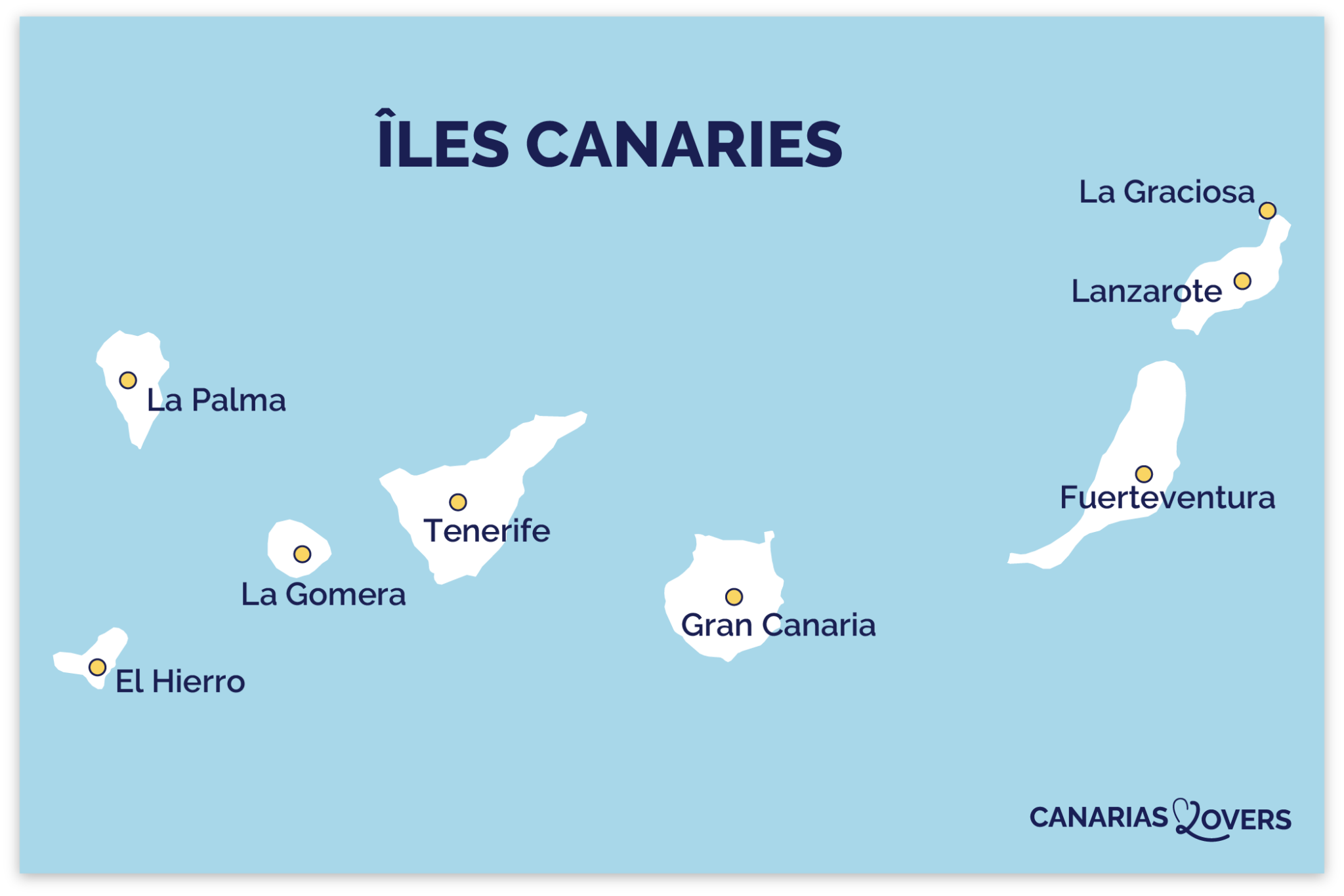
La Gomera is part of the Canary Islands, in Spain, off the coast of Morocco in the Atlantic Ocean. It is located about 30 km southwest of Tenerife, from which it is separated by a deep sea channel.
- From Los Cristianos (Tenerife): about 50 minutes to 1 hour by high-speed ferry
- The island also has an airport, with limited flights mainly to Tenerife
Getting Around in La Gomera
A rental car is by far the most convenient way to explore the island. Public transportation is available but mainly serves larger towns, with limited service. The mountain roads are narrow and winding in places, especially around Garajonay National Park and on the descent toward Valle Gran Rey.
Parking is generally available on the outskirts of towns, and less commonly in historic centers.

How much time should you plan for a visit to La Gomera?
For a day trip from Tenerife, plan on enough time to take a partial tour of the island with a few stops along the way. To explore the island more thoroughly—including hikes in Garajonay National Park, beaches, and villages—you should plan to spend 3 to 4 days there.
When is the best time to visit La Gomera?
The climate remains mild year-round, just like in the rest of the Canary Islands. Spring and fall offer pleasant temperatures for hiking, without the sometimes more intense heat of summer on the south coast. Fog is common in Garajonay National Park year-round, due to the high altitude and the trade winds.
PLAN YOUR TRIP TO tenerife
- Best of
What to do in Tenerife
Most beautiful towns and villages
Most beautiful beaches
Best natural pools
The most beautiful landscapes
Most beautiful roads
Amusement parks
Best excursions in Tenerife

- Practical advice
25 tips for a successful trip to Tenerife
How to get around
How to rent a car in Tenerife
Driving tips
Best excursions (coming soon)
Where to stay in Tenerife
Itineraries: 3 days – 4 days – 5 days – 6 days – 1 week – 10 days

- The must-dos
Dolphin watching in Tenerife
Teide National Park
Anaga Rural Park (coming soon)
La Orotava
Garachico
Village of Masca
Pyramids of Güimar